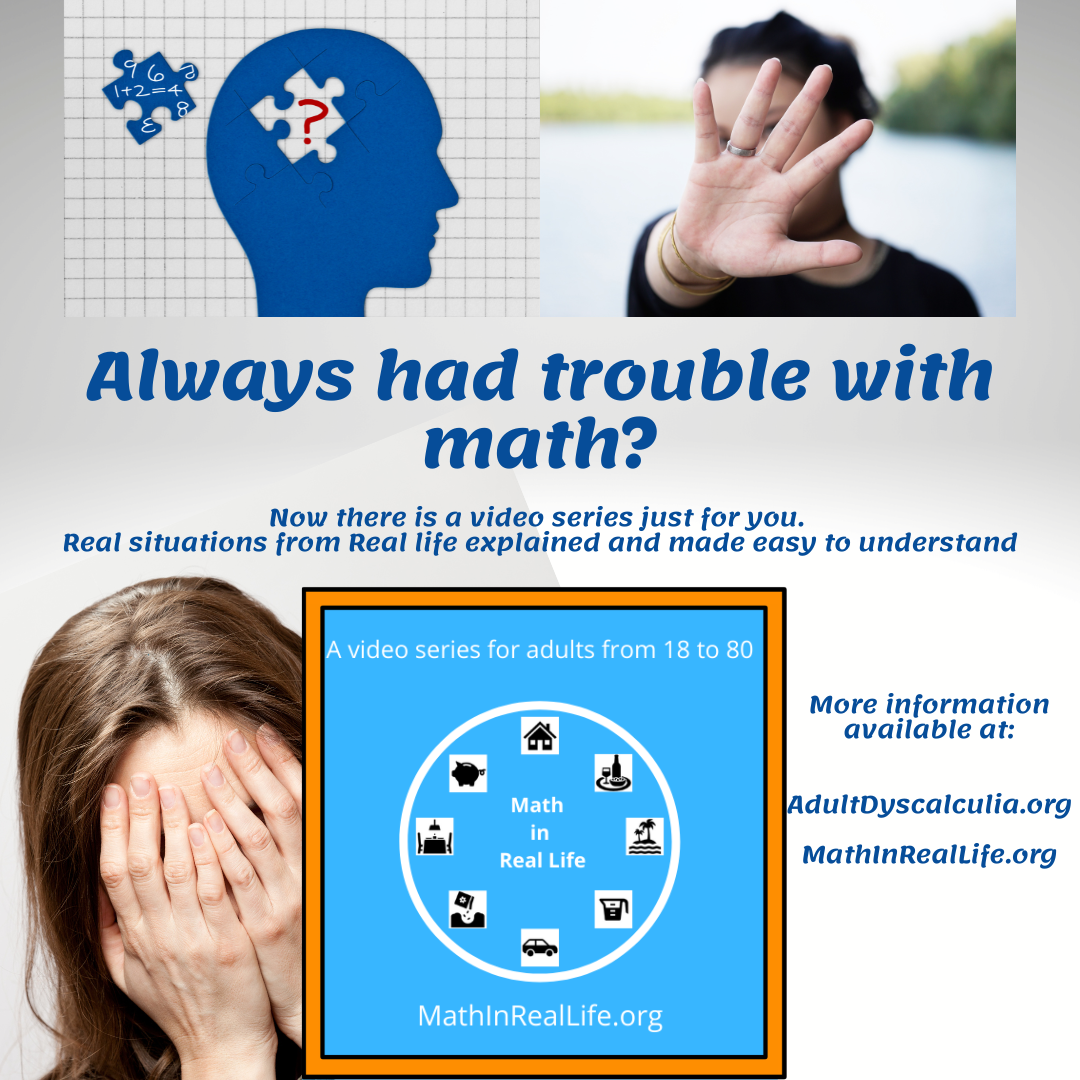
A team of experts from the School of Psychology at Queen’s University Belfast, led by Dr Kinga Morsanyi, carried out research on the prevalence of specific learning disorder in mathematics (SLDM), which is also known as dyscalculia.
The researchers studied the mathematics performance of 2,421 primary school children over a number of school years. Although the researchers expect that the number of pupils with dyscalculia is similar to those with dyslexia, of the 2,421 children studied, 108 children had received an official diagnosis of dyslexia, but just one child had officially been diagnosed with dyscalculia prior to the study. Based on the results of the study, the researchers actually identified 112 children who are likely to have the condition.
Diagnosis of dyscalculia
Dr Morsanyi explains: “In society, there is sadly a widespread notion that you need a special talent to be good at maths, and that struggling with maths is normal for some people, but this is not the case and it’s not something we would accept if a pupil was unable to read.
“Our study shows that in almost all cases, children who appear to have dyscalculia are not being diagnosed. Within the sample of children with dyscalculia, 80 per cent of the children have other developmental conditions, such as dyslexia or speech and language difficulties, and as the current practice is to assign one diagnostic label to each child, this could partially explain why mathematics difficulties are so often ignored.”
Read further HERE