See more HERE


Lauren Benard of Southampton, a senior at the White Oak School in Westfield, is working towards her Girl Scouts of the USA Gold Award, the highest award a senior/ambassador in grades 9 to 12 can earn. For her project, she wanted to help other kids and families struggling with dyslexia and dyscalculia, while also helping teachers with resources.
See it all HERE
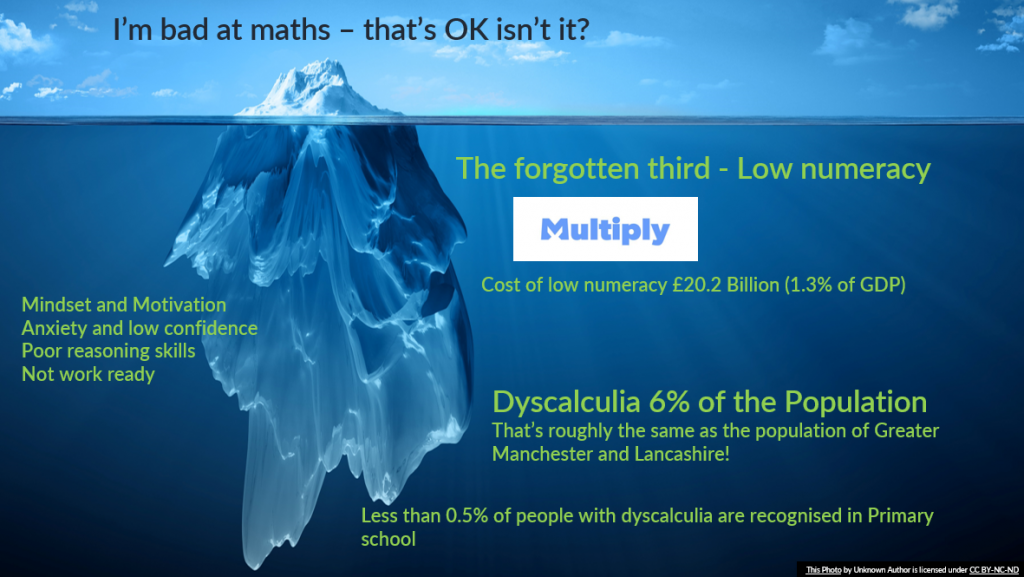
See the dyscalculia training center HERE
Children with developmental dyscalculia often show impaired performance on number order processing tasks. Recent findings suggest these deficits are not general in nature, but instead specific to certain kinds of sequences. In particular, one proposal is that dyscalculic children struggle specifically to understand that “in order” can refer to sequences outside of the (ascending-consecutive) count-list (e.g., 1-3-5 is in order). However, previous findings in support of this view were limited by (i) only considering ascending sequences and (ii) not accounting for other factors known to influence order processing performance, such as sequence familiarity. To address this, the present study compared a control ( n = 28) and dyscalculic group ( n = 12), aged between 7-12 years, across ascending and descending sequences varying in familiarity. As expected, dyscalculic children showed impaired performance on ascending non-consecutive sequences (e.g., 1-3-5) but not on ascending consecutive sequences (e.g., 1-2-3). Notably, however, this deficit appeared to remain only for unfamiliar sequences (e.g., 2-5-8) and not familiar ones (e.g., 2-4-6), although this interaction was non-significant. Moreover, dyscalculic children displayed typical performance across both consecutive (e.g., 5-4-3) and non-consecutive (e.g., 5-3-1) descending sequences, neither of which match the traditional count-list. Accordingly, although order processing deficits in developmental dyscalculia do appear specific in nature, they are not necessarily specific to non-count-list sequences.
Read it all HERE
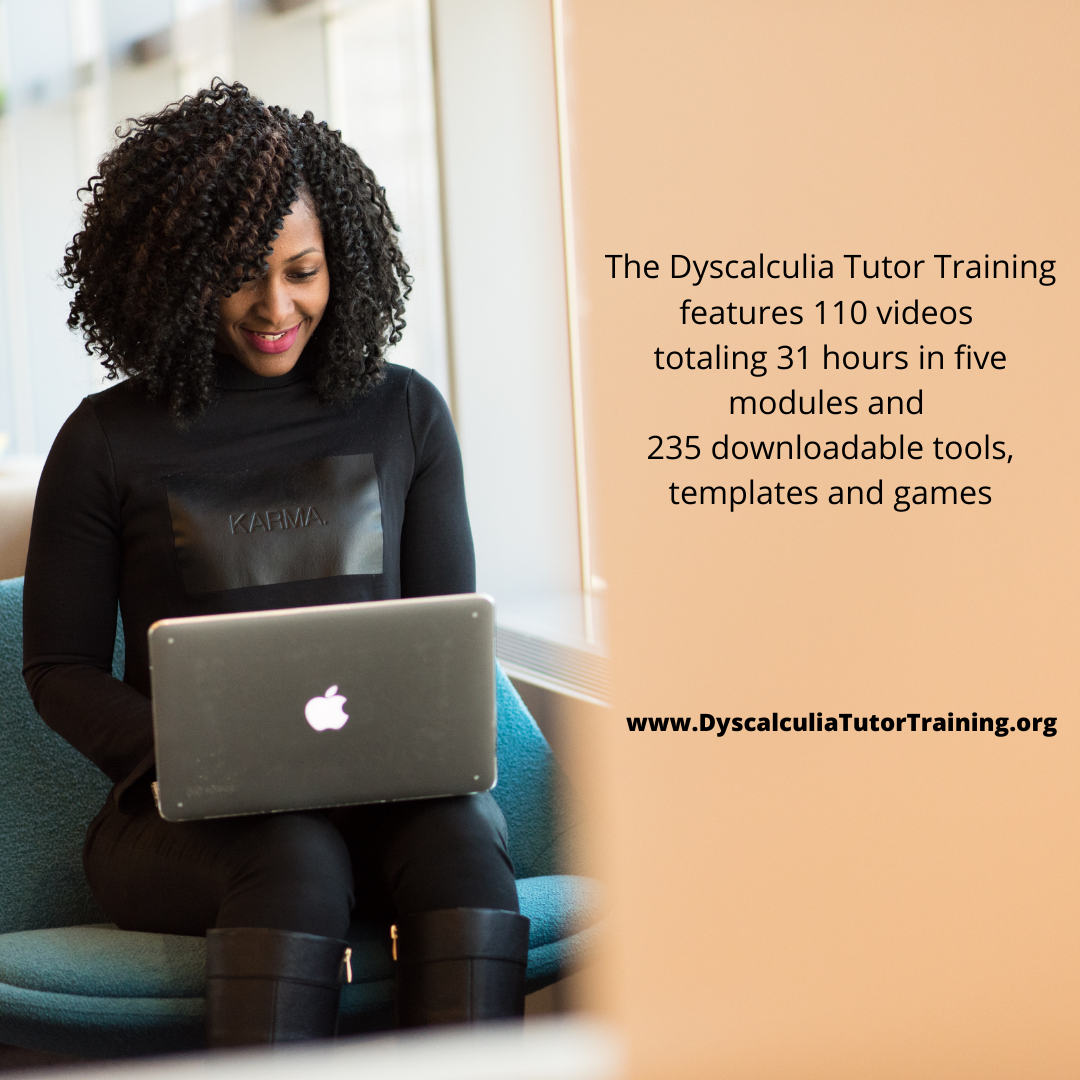
This tool helps identify potential indicators of common learning disabilities. Answer the questions honestly to see which condition’s symptoms align most closely with your experiences. Note: This is not a diagnostic tool. Professional evaluation is required for official diagnosis.
Try this tool HERE
Many myths surround dyscalculia that cause delays in ensuring children receive the right support. Here are the 5 myths about dyscalculia you may have heard.
Read them HERE
WhatsApp us